
Website Rebuilds & Migrations
Rebuilding or migrating a website is about more than moving files and content from one platform to another. The technical structure, data, integrations, URLs and existing functionality all need to be understood before changes are made.
We rebuild websites and migrate platforms with a focus on protecting the parts of your existing system that still work, while addressing the technical problems that are holding it back. This includes website rebuilds, platform migrations, SEO focused transitions, WooCommerce restructuring and legacy system modernisation.
Before development starts, we assess the existing platform, identify dependencies and define what needs to be retained, changed or replaced. The new platform is developed and tested in a controlled environment before the transition to the live system.
If your current website has become slow, difficult to maintain or restrictive to the business, we can assess the existing setup and recommend the right way forward.
subservices
Five Specialist Areas, One Accountable Team
Website rebuilds and migrations can involve several different technical disciplines. A project may require a complete rebuild, a move between platforms, careful SEO planning, WooCommerce optimisation or modernisation of an older application.
We bring these areas together as part of the same technical process, so the website, data, integrations and infrastructure are considered as one system.
Full Website Rebuilds
A rebuild is an opportunity to address the technical problems that have accumulated in an existing website rather than simply recreating the same structure on a new platform.
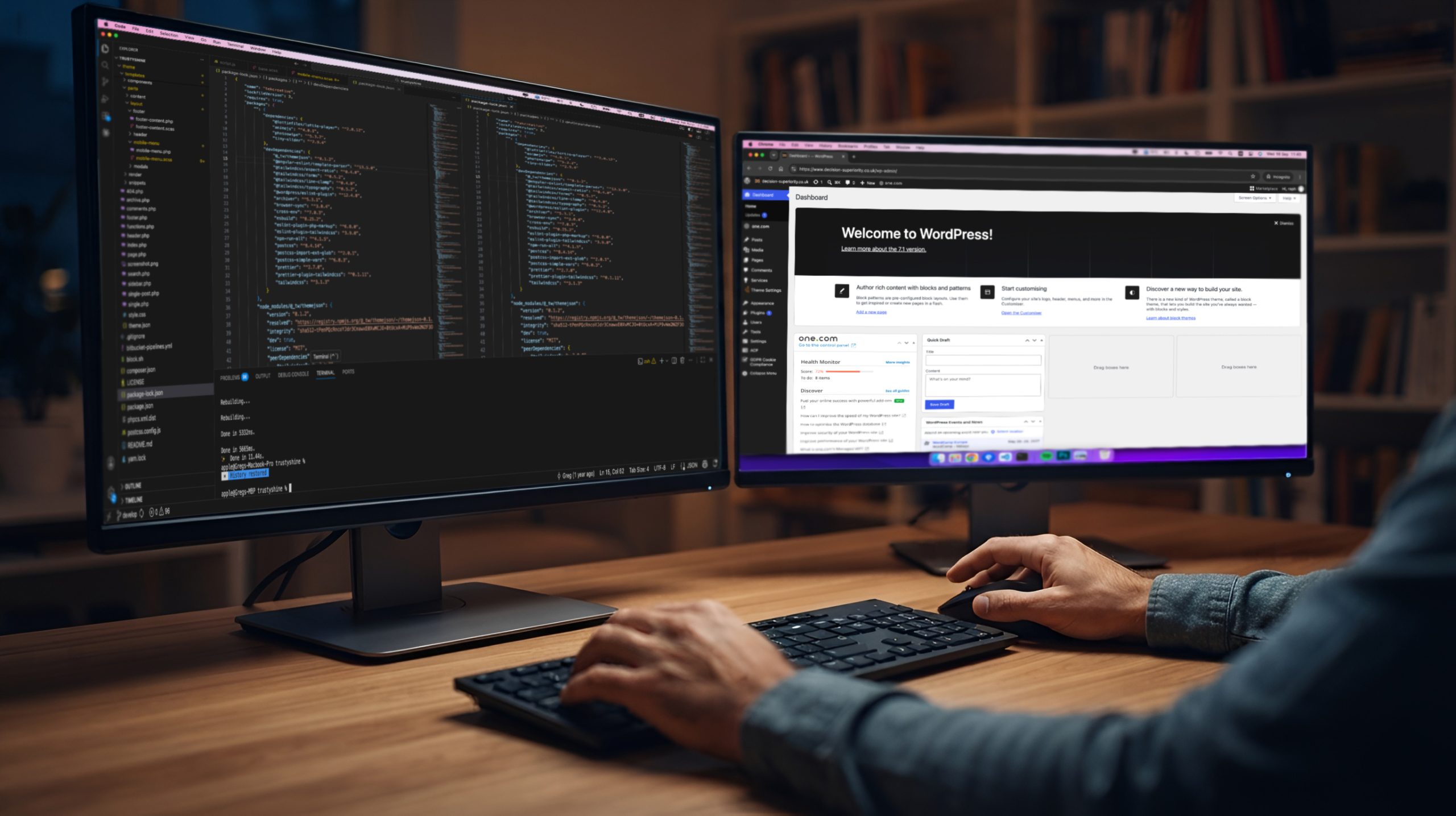
We start by reviewing the current architecture, database, integrations, hosting, dependencies and functionality. From there, we define what should be migrated, what should be redesigned and what is no longer needed.
The new website can be built using WordPress, Next.js, Laravel, a headless CMS or another appropriate technology, depending on the requirements. Existing content and functionality are migrated and tested, while the new architecture is designed to be easier to maintain and develop.
We also consider performance, responsive behaviour, accessibility, technical SEO and future development requirements during the rebuild, so the new platform improves on the existing website rather than simply reproducing it.
Platform Migrations
Moving from one platform to another can involve much more than transferring pages and products. Existing websites often contain custom functionality, integrations, database structures and processes that need to be understood before the migration begins.
We map the existing system, identify dependencies and define how the data and functionality will be handled on the new platform. Migration scripts and data transformations can then be tested against the existing data in a staging environment before the live transition.
The migration process also considers redirects, integrations, authentication, payments, third-party services and any other functionality that needs to continue working after the move.
Where the new platform works differently from the existing one, we also identify what needs to be adapted or rebuilt rather than trying to reproduce functionality in a way that does not fit the new architecture.
SEO Safe Migrations
A website migration can affect organic search performance if important URLs, redirects, canonical tags or other technical SEO elements are changed without proper planning.
We begin by analysing the existing website and its URL structure, identifying important pages and mapping them to their destinations on the new platform. Redirects are then created and tested, while canonical tags, XML sitemaps and other relevant technical SEO elements are reviewed as part of the migration.
For multilingual websites, we can also review international URL structures and hreflang implementation. After launch, the new website can be monitored through tools such as Google Search Console and crawl analysis to identify technical issues that need attention.
We also consider existing page content, metadata and indexed URLs as part of the migration, helping to avoid unnecessary changes to areas that are already performing well.
The aim is to make the transition as controlled as possible while preserving the existing search visibility where the underlying content and relevance remain appropriate.
WooCommerce Restructuring
WooCommerce stores can become increasingly difficult to maintain as product catalogues, orders, plugins and integrations grow.
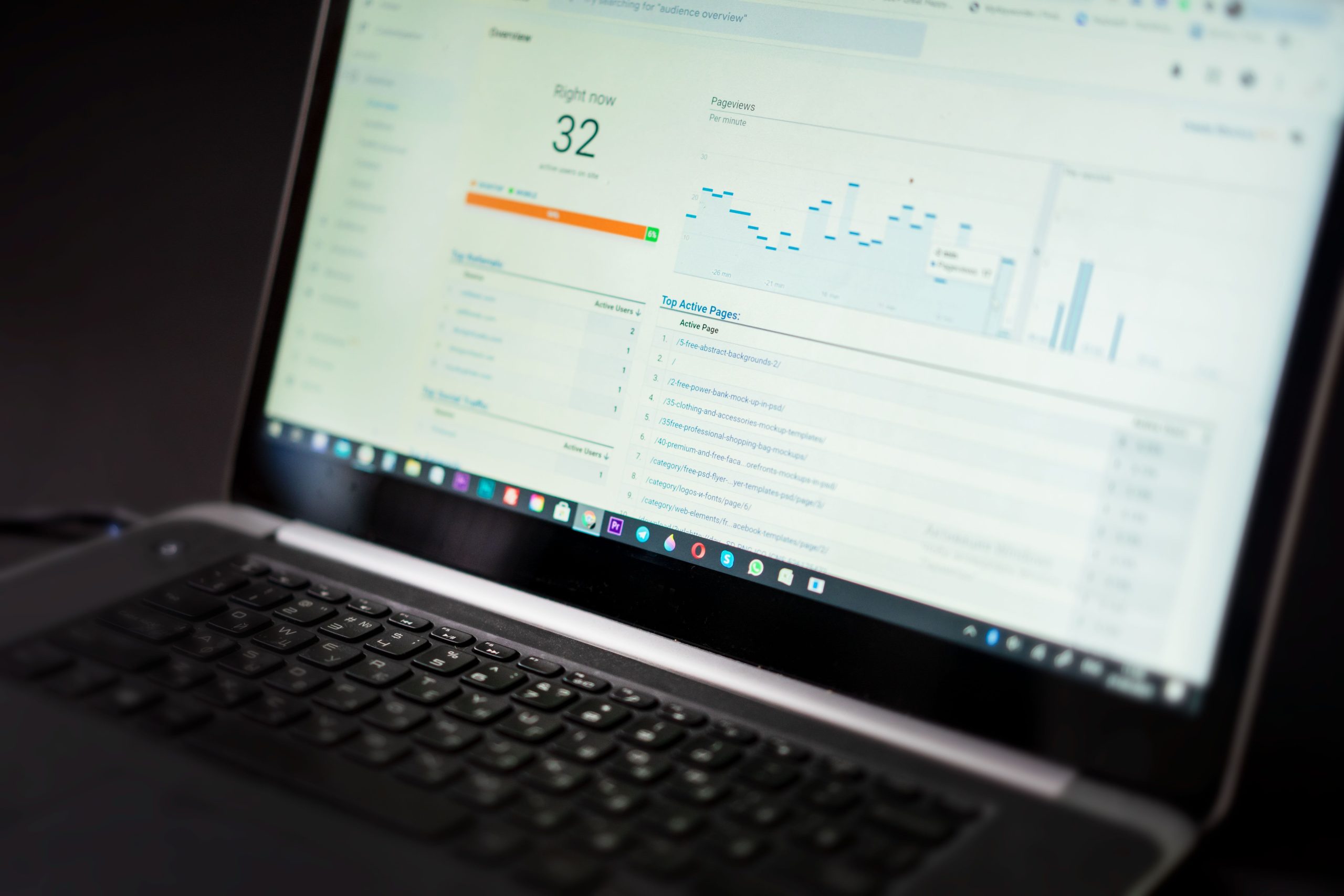
We investigate the underlying causes rather than relying on caching or adding more plugins to compensate for an inefficient setup. This can include database queries, product and variation structures, plugin overhead, third-party integrations, checkout functionality and hosting configuration.
Where appropriate, we can optimise database structures, improve product queries, review the plugin stack and restructure parts of the store that are creating unnecessary performance problems.
We can also review how products, attributes, variations, orders and customer data are structured, particularly where a store has grown significantly or has accumulated custom functionality over time.
The goal is a WooCommerce platform that is easier to maintain and better suited to the size and complexity of the business.

Legacy System Modernisation
Legacy systems rarely need to be replaced simply because they are old. The important question is whether the existing technology is still reliable, maintainable and capable of supporting what the business needs.
We begin by reviewing the application, codebase, database, integrations, dependencies and infrastructure. This helps identify technical debt, outdated components, security concerns and areas where changes have become unnecessarily difficult.
Depending on the system, modernisation may involve replacing individual components, updating dependencies, restructuring parts of the application or gradually moving functionality to a new architecture. A complete rebuild is not always necessary.
We also look at how the existing system connects to other services and whether those dependencies need to be retained, replaced or updated as part of the modernisation process.
Where a larger migration is required, we can define a staged approach that allows critical functionality and business data to be retained while the underlying system is modernised.
steps
Our rebuild process
A successful rebuild or migration depends on what happens before the new website goes live. We use a structured process to understand the existing system, plan the changes, build and test the new platform, and then manage the transition into production.
1
Audit & Discovery
We start by reviewing the existing website or application, including its architecture, content, database, integrations, URLs, dependencies and infrastructure. We identify what needs to be preserved, what needs to change and where the main technical risks are.
2
Migration & Technical Planning
We define the new architecture and create a clear migration plan. This covers data structures, functionality, integrations, redirects, SEO requirements and the technical steps needed to move from the existing platform to the new one.
3
Development & Staging
The new platform is developed and tested in a controlled environment before the live transition. Data migrations, functionality, integrations, redirects and performance are checked against the requirements, allowing issues to be identified before launch.
4
Launch & Post-Launch Checks
Once the new platform is ready, we coordinate the transition to the live environment and carry out the necessary checks after launch. This can include testing key functionality, monitoring errors, checking redirects and reviewing search and performance data to identify issues that need attention.

OUR MISSION
Rebuilds That Protect What You've Built
A website rebuild or migration should improve the platform without unnecessarily disrupting the business. We focus on understanding what already works, identifying what needs to change and testing the transition before it reaches the live environment.

Data Integrity
We use backups, validation and migration checks to reduce the risk of missing, duplicated or incorrectly transformed data. Where data is being migrated, we verify the results against the source system before the new platform becomes the primary system.

SEO Considered From the Start
SEO requirements are incorporated into the migration plan rather than dealt with after launch. URL mapping, redirects, canonical tags, sitemaps and other relevant technical elements are reviewed before the new website goes live.

Built for the Next Stage
A rebuild is an opportunity to address architectural problems rather than reproduce them on a new platform. We use the new build to improve maintainability, performance and the way the system can be extended as requirements change.

Controlled Migration
We plan the transition around the requirements of the business, with staging, backups and recovery procedures considered before launch. Where appropriate, we also define how the previous system can be retained during the transition so unexpected problems can be dealt with in a controlled way.
CASE STUDIES
See our work
Website rebuilds, platform migrations and WooCommerce restructuring for established businesses across the UK and Europe. Explore our case studies to see how we approach complex technical projects and the problems we solve along the way.
Planning a rebuild or migration?
Tell us what you're moving from, what you're moving to, or what isn't working with your current platform. We'll review the technical requirements and give you a clear view of what the project involves, including the main risks, dependencies and migration considerations.
FAQ
Any questions?
These are some of the questions businesses commonly ask when planning a website rebuild or platform migration. If you have a different question, get in touch, and we'll discuss the requirements directly.
The amount of downtime depends on the platform and migration approach. Where possible, we prepare and validate the new platform before the final cutover, then schedule the transition to minimise disruption. For some projects, the final switch can be completed with very little interruption, while more complex systems may require a planned maintenance window.
A migration can affect organic search performance if URLs, redirects, content or technical SEO elements are changed incorrectly. We plan to address these areas as part of the migration, including URL mapping, redirects, canonical tags and XML sitemaps. After launch, we can also monitor Search Console and crawl data to identify issues that need attention.
We work with a range of platforms and custom systems, including WordPress, WooCommerce, Shopify and bespoke PHP applications. The approach depends on how the existing platform stores data, handles functionality and connects to other systems. Where a platform has limited export capabilities, we can investigate custom data extraction and migration methods.
We analyse the existing URL structure and identify the pages that need to remain accessible after the migration. We then map redirects using specific URL rules and individual mappings where required. We test the redirect implementation before launch and check for missing or incorrect redirects after the new website is live.
Yes. For migrations where rollback is technically appropriate, we plan the recovery process before the live cutover. This can include verified backups, snapshots of the existing environment and documented steps for returning to the previous platform if an unexpected problem occurs.

Looking for more than rebuilds & migrations?
We also build and support the platforms businesses move to. Our wider services include custom web development, eCommerce development, performance optimisation, API integrations, legacy system modernisation and ongoing technical support.
Whether you're replacing an outdated CMS, rebuilding a difficult-to-maintain website or moving away from a custom system, we can stay involved beyond the migration and continue improving the platform as your requirements change.



CONTACT US
Get in touch
Planning a rebuild, switching platforms or dealing with a migration that hasn't gone as planned? Tell us about your current platform, what you want to change and any technical concerns you already know about.
Give us a call and get an answer in seconds
Speak directly with our team about your platform, what you're trying to improve and the technical challenges you're facing. We'll give you an honest view of what would be involved and where we can help.
Fill the contact form and we will contact you
Tell us about your current platform, what isn't working properly, what you're trying to build or where you need technical support. We'll review the details and come back with a clear assessment and next steps.