
Legacy System Modernisation
Legacy systems can become increasingly difficult to maintain as codebases, dependencies, databases and integrations age. Even relatively small changes can become harder to make when the original architecture is no longer well supported or understood.
We start by auditing the existing application, codebase, database, integrations, dependencies and infrastructure. This helps us understand what the system actually does, what needs to be retained and where the main technical risks are.
From there, we define a practical modernisation path. Depending on the system, this may involve updating dependencies, replacing individual components, restructuring parts of the application or gradually moving functionality to a new architecture.
The aim is to modernise the parts that need changing without replacing working functionality unnecessarily, while giving the business a more maintainable foundation for future development.
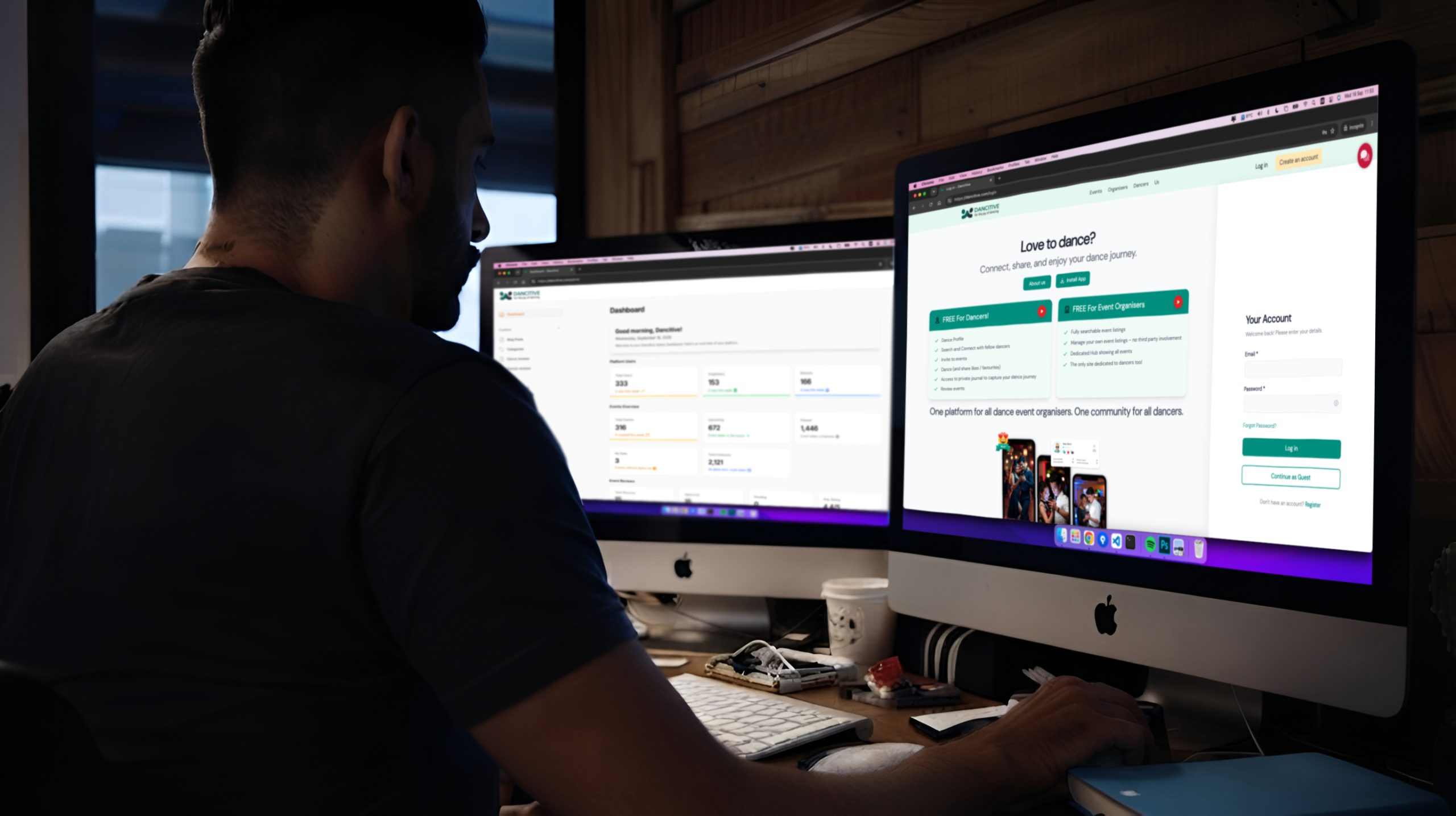
Modernise Your System Without Rebuilding Everything
Modernising a legacy system does not always mean starting again from scratch. We first assess the existing application to understand its architecture, dependencies, data, integrations and critical functionality. This gives us a basis for deciding what should be retained, modernised, replaced or redesigned.
Where appropriate, modernisation can be carried out in stages. This allows parts of the system to be improved while the existing platform continues to support the business, rather than making a complete replacement the starting point. The result is a more maintainable technical foundation, with a clear path for future development and fewer limitations caused by outdated technology.
Related services:
Follow us on:
What Our Legacy System Modernisation Service Covers
“We treat modernisation as an engineering project that starts with understanding the existing system, rather than assuming everything needs to be replaced.”
- System and codebase audit: Review of the application, codebase, database, infrastructure, integrations and dependencies.
- Technical debt assessment: Identification of outdated components, difficult-to-maintain code and areas creating unnecessary development overhead.
- Retain, replace or redesign: Each part of the system is assessed based on its purpose, condition and future requirements.
- Incremental modernisation: Where appropriate, functionality can be modernised in stages rather than through a complete replacement.
- Migration and architecture planning: A practical route from the existing system to a more current and maintainable architecture.
Why We Audit Before We Modernise
The difficult part of working with a legacy system is often understanding everything that has accumulated around it.
An application may depend on older libraries, custom database structures, third-party services, undocumented processes or integrations that are not immediately obvious from the frontend.
Making changes without understanding those dependencies can introduce problems that are difficult to identify later.
We audit the existing system first so the modernisation plan is based on how the application actually works. This helps identify what needs to be protected, what can be improved and where changes need to be introduced carefully.
What You Get
- A clear assessment of the existing application and its technical dependencies.
- Identification of outdated or difficult-to-maintain components.
- A practical plan for modernising the system.
- Critical functionality and business data considered throughout the process.
- Incremental modernisation where this is appropriate for the application.
- A more maintainable technical foundation for future development.
- Clear technical recommendations rather than unnecessary rebuilding.
The Business Problems This Solves
Legacy technology can create problems that build up gradually. Outdated dependencies may become difficult to support, changes can take longer to develop and technical knowledge can become harder to maintain as the original system ages.
This can also make businesses reluctant to change important parts of the platform because the potential impact is difficult to assess.
Modernisation allows these problems to be addressed systematically. Depending on the application, this may mean updating the existing codebase, replacing individual components, restructuring parts of the architecture or gradually moving functionality to a newer platform.
The aim is to address the underlying technical limitations without introducing unnecessary disruption.
If your current system has become difficult or expensive to change, we can assess the existing architecture and identify where modernisation would make sense.

THE BUSINESS CASE
Why Modernise Your Legacy System?
A legacy system that's left alone doesn't stay stable, it gets riskier and more expensive to touch every year. Here is how a planned modernisation protects your investment.

Reduce Technical Overhead
Outdated dependencies, inefficient code and complicated architecture can make routine development harder. Modernisation can address the parts of the system creating unnecessary technical overhead.

Make Security Easier to Manage
Older libraries and unsupported components can make security maintenance more difficult. Updating or replacing these components can provide a more manageable technical foundation.

Keep the Business Operating
Where appropriate, modernisation can be introduced in stages rather than through a complete replacement, allowing critical functionality to remain available while the system is improved.

Preserve What Still Works
Not every part of a legacy system needs to be replaced. A proper technical assessment helps identify existing functionality, data and integrations that are still useful and should be retained.
CASE STUDIES
Legacy System Modernisation in Practice
Explore examples of our work across custom development, business platforms and complex digital systems.
Start Your Project
If your existing system has become difficult to maintain or expensive to develop, we can assess the current architecture and identify a practical modernisation approach.
FAQ
Your Legacy Modernisation Questions Answered
Modernising an existing system can involve significant technical and business considerations. These are some of the questions we commonly discuss before starting a project.
Not necessarily. Depending on the condition and architecture of the existing system, it may be possible to modernise individual components or introduce changes incrementally. A full replacement may be appropriate in some cases, but we assess the existing system before recommending that approach.
We review the application, codebase, database, integrations, dependencies and business requirements. This helps us identify which parts are still suitable, which need updating and which may be better replaced or redesigned.
Business data is considered part of the modernisation plan from the beginning. Where data needs to be migrated or transformed, we define the required process and validate the results before changes are introduced to the live system.
Often, yes. Where the architecture allows it, changes can be introduced in stages so that critical functionality remains available while individual components are modernised. The appropriate approach depends on how the existing system is structured.
Common signs include outdated or unsupported dependencies, increasing difficulty in making changes, recurring technical problems and features taking significantly more effort to develop than expected. An audit can provide a clearer picture of the current technical condition before any major decision is made.
That depends on the existing application and the requirements of the business. We choose the architecture and technologies based on the functionality required, existing integrations, maintainability and the future direction of the platform rather than applying the same technology stack to every project.

CONTACT US
Ready to Modernise Your Legacy System?
If your existing application has become difficult to maintain, risky to change or restrictive for the business, we can assess the current system and define a practical path forward.
Give us a call and get an answer in seconds
Speak directly with our team about your platform, what you're trying to improve and the technical challenges you're facing. We'll give you an honest view of what would be involved and where we can help.
Fill the contact form and we will contact you
Tell us about your current platform, what isn't working properly, what you're trying to build or where you need technical support. We'll review the details and come back with a clear assessment and next steps.